Fiber Laser Technology and Its Growing Role in Sheet Metal Manufacturing
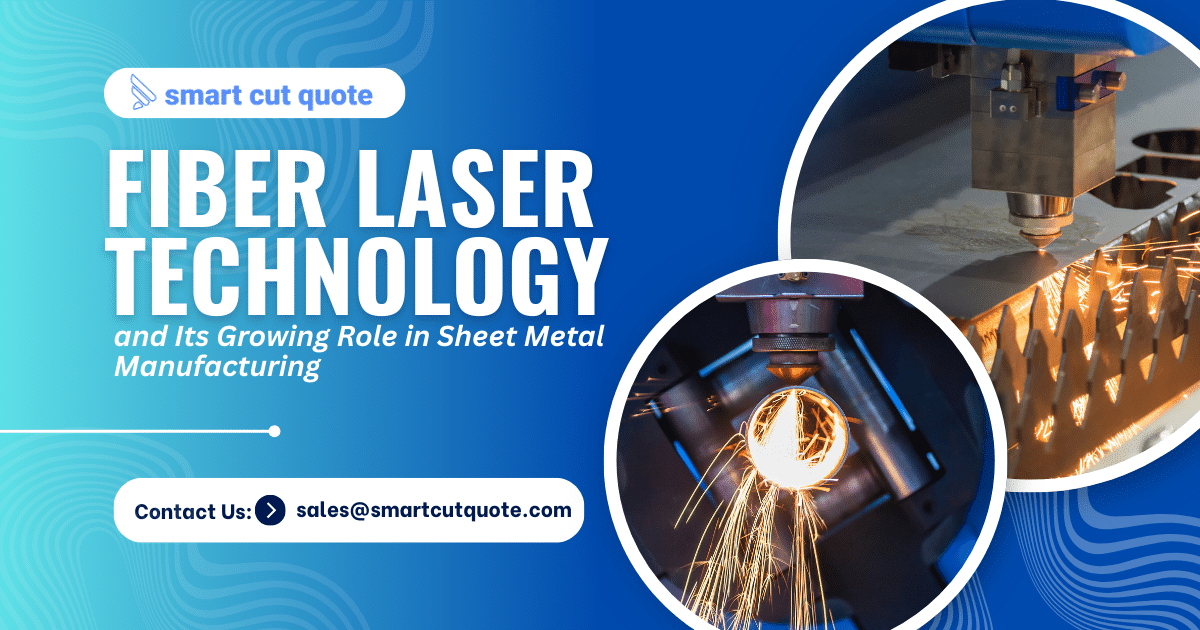
Fiber laser cutting has become the dominant cutting technology in modern sheet metal manufacturing. Over the last decade, it has largely replaced CO2 lasers for most metal cutting applications, driven by efficiency, reliability, and lower operating costs.
How Fiber Lasers Work in Simple Terms
A fiber laser generates light inside an optical fibre that is doped with rare earth elements. This light is amplified and delivered directly to the cutting head through the fibre. Because the beam is generated and transmitted inside the fibre, energy losses are very low compared to older laser technologies. The result is a highly focused beam with excellent cutting precision.
Why Manufacturers Are Moving to Fiber Lasers
The biggest driver behind fiber laser adoption is efficiency. Fiber lasers convert electrical power into laser power far more effectively than CO2 systems. This leads to lower electricity usage, faster cutting speeds, and reduced maintenance. There are no mirrors to align, no laser gas to manage, and fewer consumable components.
Fiber lasers also excel at cutting reflective materials such as aluminium, brass, and copper, which were traditionally challenging for CO2 machines. This has opened new opportunities for job shops that work across a wider range of materials.
Impact on Quoting and Cost Accuracy
As cutting speeds increase and machine capabilities improve, quoting accuracy becomes more important. Faster machines mean small errors in time or material estimates can quickly affect margins. This is where better digital inputs matter.
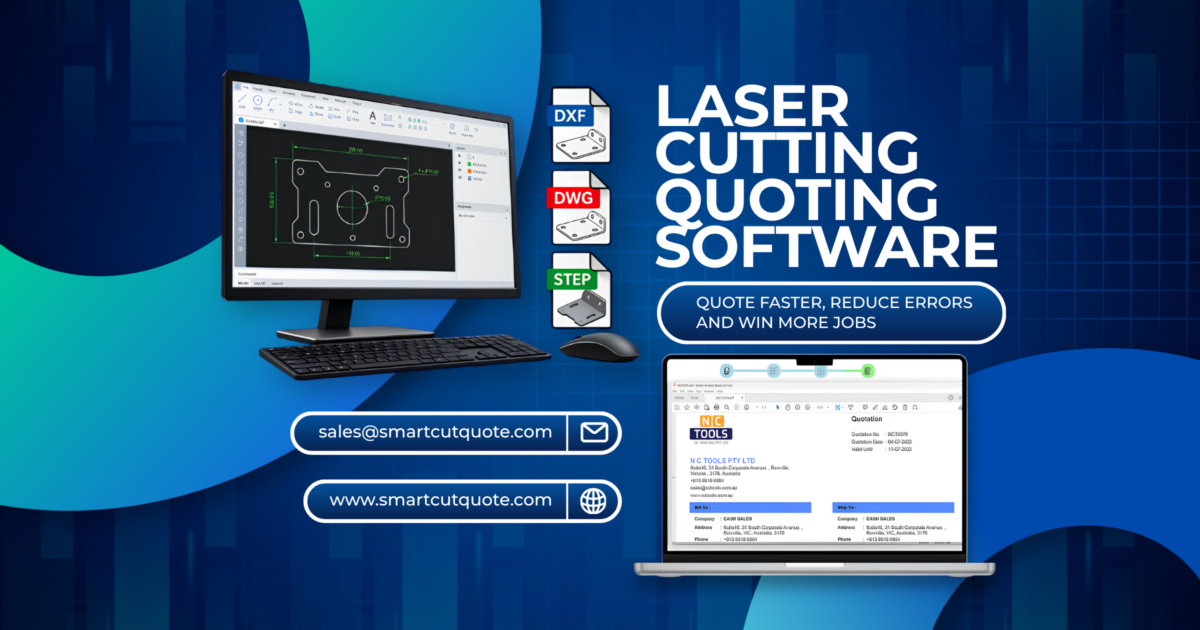
Many customers now supply 3D STEP files rather than simple 2D drawings. When these files are used properly, estimators gain visibility into material thickness, bends, and part relationships before a quote is issued. Software such as Smart Cut Quote supports 3D STEP import and flattening, allowing manufacturers to create more accurate quotes that reflect how fiber laser machines actually run.
The Current Reality on the Shop Floor
Despite advanced machines, many shops still rely on manual DXF preparation and assumptions during quoting. This creates a gap between machine capability and business efficiency. Fiber laser technology has moved forward quickly, but quoting processes are still catching up.
Looking Ahead
Fiber lasers are now the standard, not the future. Manufacturers who align their quoting processes with modern machine technology will be better positioned to protect margins, reduce rework, and respond faster to customers. Using the right data early is no longer optional, it is part of running a competitive fabrication business.
For more information about Smart cut Quote Software and product inquiries, please contact us at https://nctools.com.au/ or call us on +61 3 8618 6884 Or Visit https://smartcutquote.com/