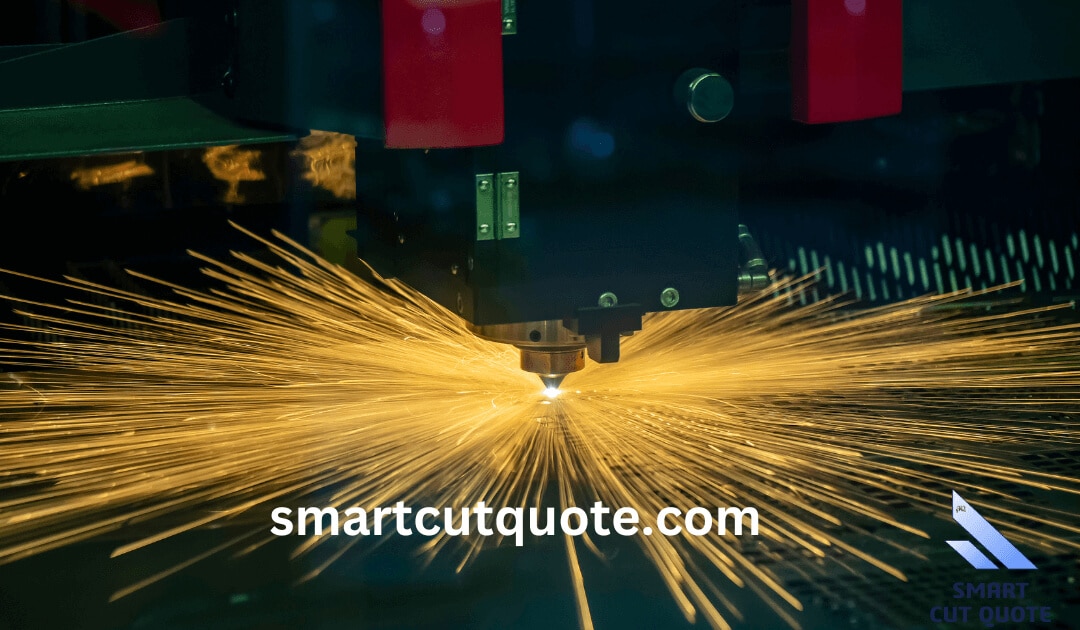
Laser cutting is widely used in manufacturing because it delivers high precision, clean edges, and minimal material waste. A focused laser beam melts or vaporises material, often achieving tolerances as tight as ±0.1 mm. However, the cost of laser cutting can vary significantly based on several factors, from material type to design complexity.
1. Material Type and Thickness
The material being cut is the biggest cost driver. Different materials require different levels of laser power, cutting speed, and gas assistance:
Mild Steel: Typically cut with CO₂ or fibre lasers. Cutting 3 mm steel can cost around $0.60 to $1.00 per linear metre.
Stainless Steel and Aluminium: These reflective materials need higher wattage (4–6 kW fibre lasers) and may require nitrogen assist gas, increasing the cost.
Thicker Plates: Cutting 12 mm steel might cost 3–4 times more than cutting 3 mm due to slower feed rates and increased energy consumption.
2. Material Density and Laser Power
Dense materials absorb more energy, meaning the laser must operate at a slower speed to maintain quality. For example:
A 3 kW laser can cut 6 mm mild steel at approximately 1 m/min, but the same machine would only cut 12 mm mild steel at around 0.25 m/min.
The cost per part increases as cutting time per metre rises with thicker or denser materials.
3. Design Complexity
Intricate designs with sharp corners, holes, or multiple internal cutouts require the laser to start and stop more frequently. This adds to machine time, programming, and setup.
A simple rectangular cut may take only 10–15 seconds, whereas a decorative panel with detailed patterns could take several minutes.
Each pierce (initial beam start) can add 1–2 seconds and increases gas usage.
4. Quantity and Project Size
Small, one-off jobs often have higher per-unit costs due to setup and programming. Bulk orders, however, reduce costs as setup is spread over multiple parts. Some shops offer 5–15% discounts for high-volume orders.
5. Location and Additional Charges
Laser cutting costs vary between regions. In Australia, laser cutting rates can range from $1.50 to $3.00 per minute, depending on the machine’s capacity. Shipping, material handling, and minimum order charges can also impact final pricing.
6. Why Smart Quoting Matters
In today’s competitive market, speed and accuracy in quoting is crucial. Clients expect a detailed cost breakdown, including material, machine time, gas usage, and labour. Using intelligent quoting software like Smart Cut Quote ensures:
Accurate cost estimation based on real cutting parameters.
Quick generation of quotes (often within seconds).
Better win rates on jobs due to competitive, data-driven pricing.
Technical Tip
Did you know? A 4 kW fibre laser cutting 6 mm stainless steel uses around 12–20 m³/hour of nitrogen assist gas, which can add $3–5 to the cost of a single part depending on cut length.
Looking to Save Time on Quotes?
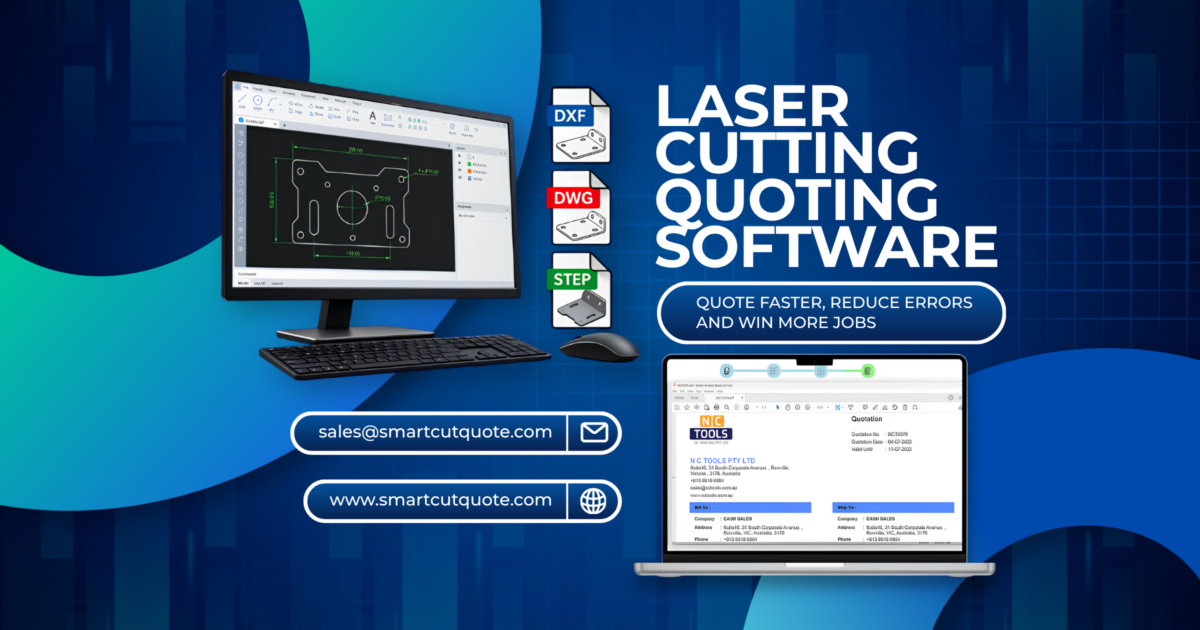
Smart Cut Quote software is designed for laser, plasma, waterjet, and oxyfuel cutting businesses. It is simple to set up, delivers instant cost breakdowns, and supports DXF/DWG imports with automatic 2D cleanup.
For more details, visit smartcutquote.com or call us on +61 3 8618 6884.